Campus Hiring & Graduate Recruitment Blog

Diversity & Inclusion in Hiring: Building a Stronger Workforce
Did you know that companies with diverse management teams generate 19% higher revenue from innovation? (Source: BCG Study). Diversity hiring and inclusive recruitment are no longer just corporate buzzwords—they are essential for building a future-ready workforce that thrives on innovation, collaboration, and employee engagement.

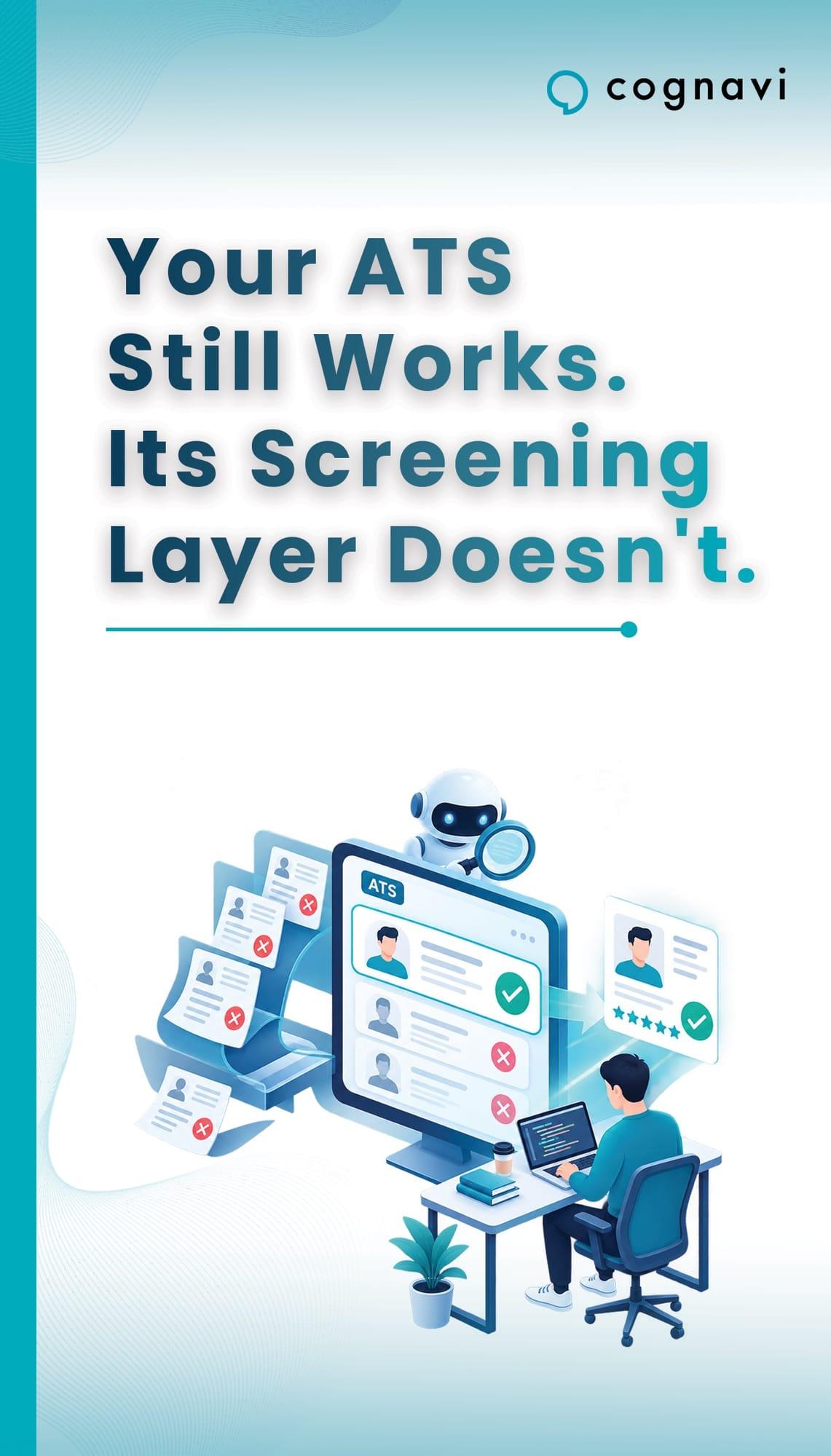
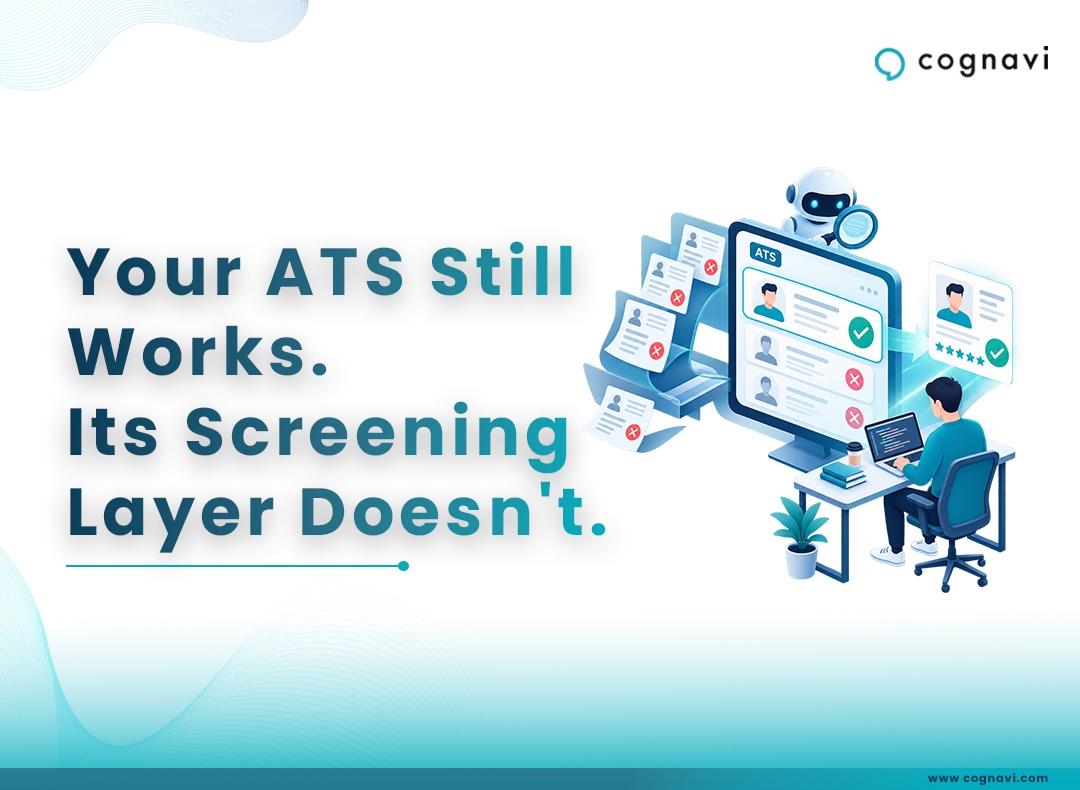
Your ATS Still Works. Its Screening Layer Doesn't.
Your ATS isn't broken, but the screening layer above it is. For thirty years those filters measured the effort behind a resume, not the ability behind the candidate. With LinkedIn past 14,000 applications per minute and 88% of executives admitting their systems auto-reject qualified people over an exact keyword match, the fix is a verification layer above the ATS, not a replacement for it.
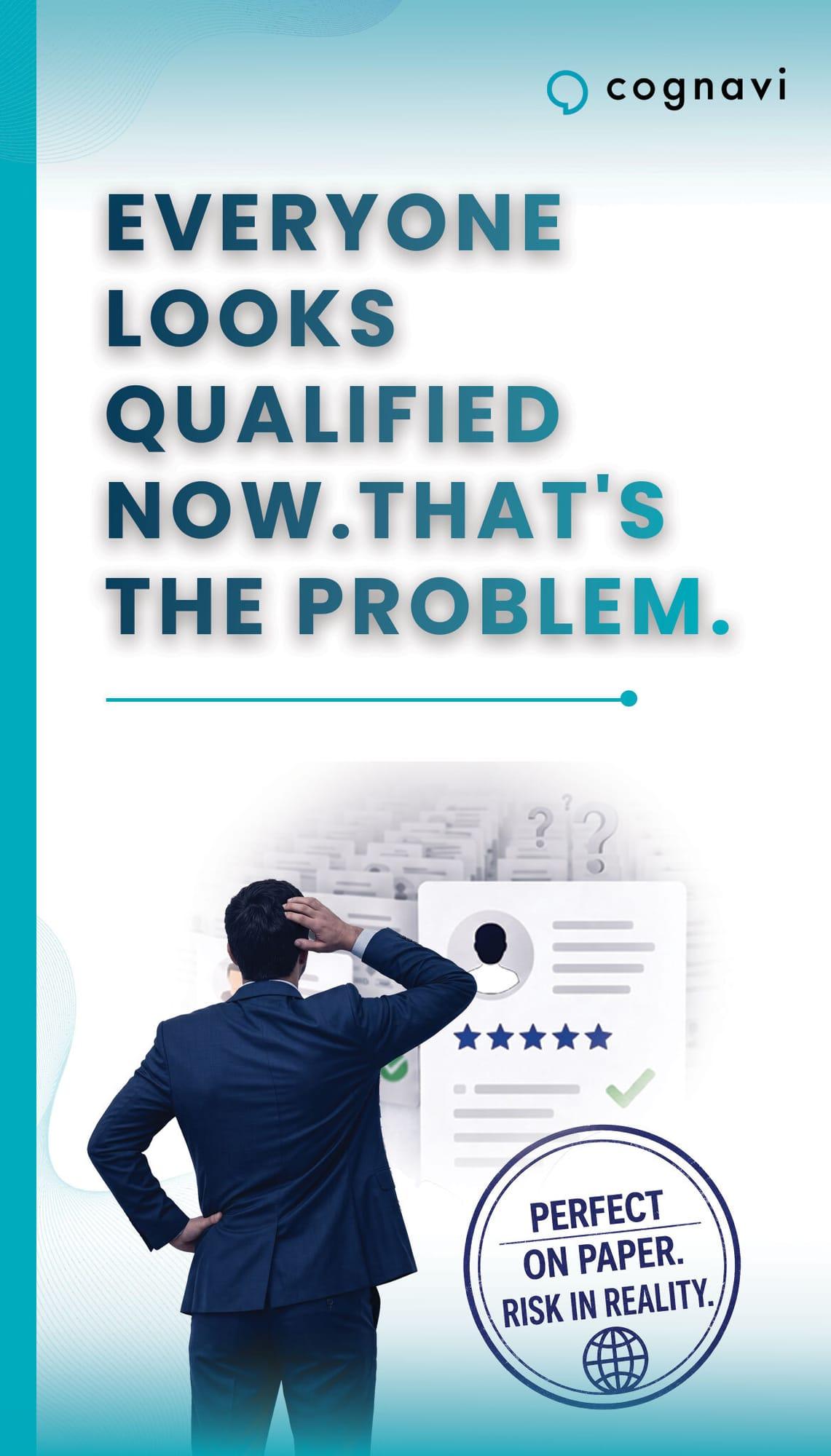
Everyone Looks Qualified Now. That's the Problem.
A resume used to be hard to write, and that effort was its core value. AI removed the effort, the document survived, and the signal died. LinkedIn now processes ~11,000 applications per minute and Gartner projects 1 in 4 candidate profiles will be fake by 2028, so only evidence generated inside your hiring process still separates talent.

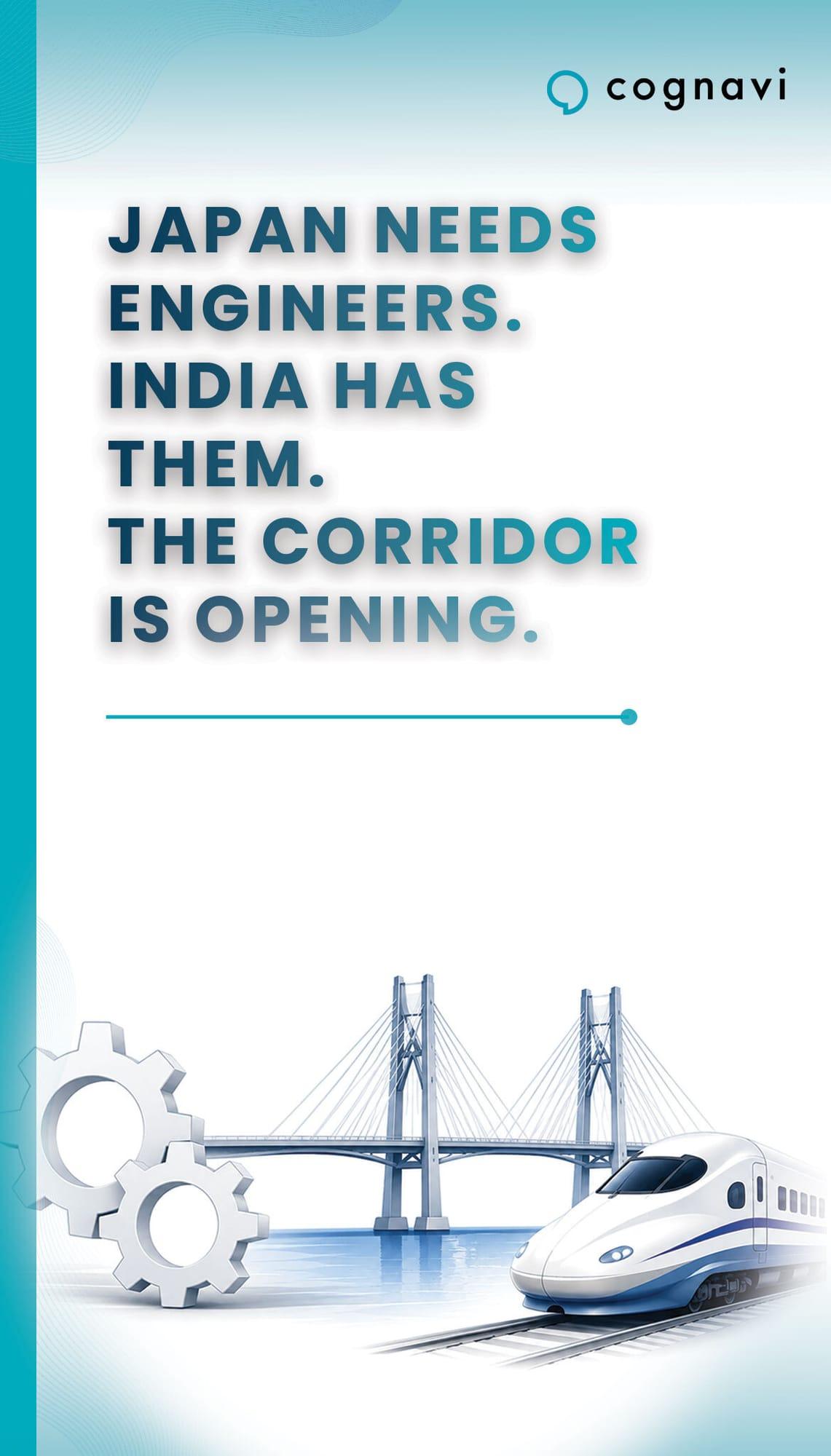
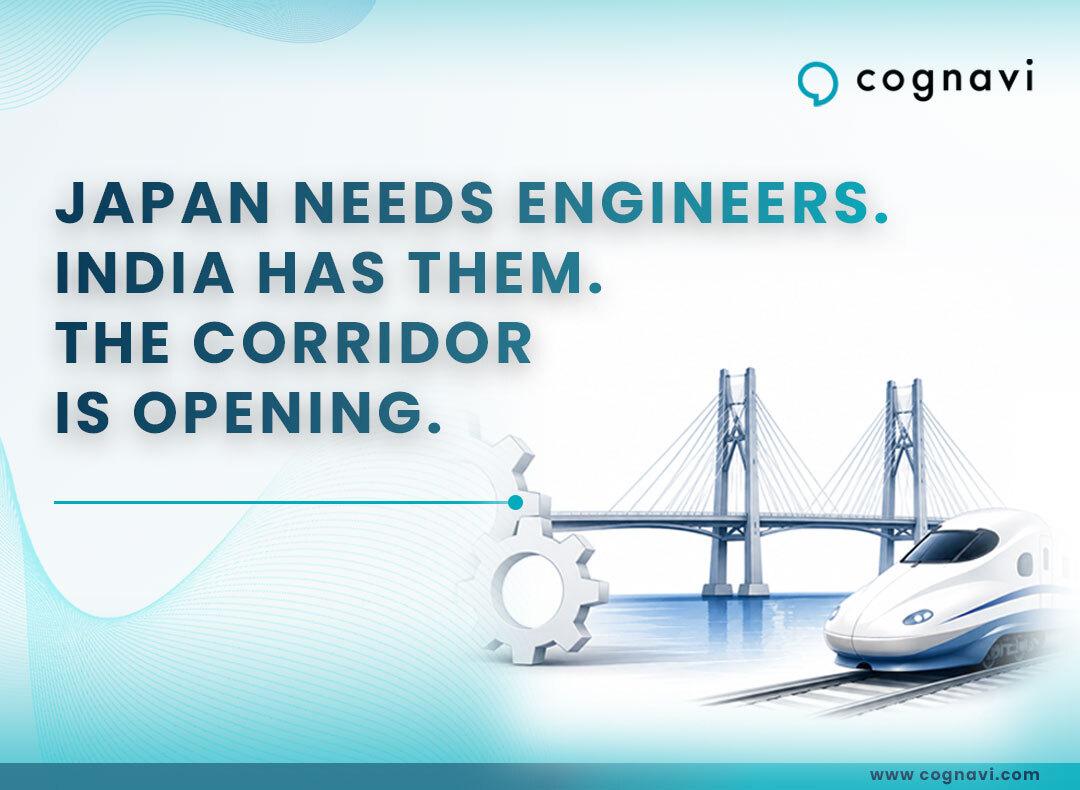
Japan Needs Engineers. India Has Them. The Corridor Is Opening.
Japan's population aged 65 or older reached 29% in 2023 and its Tankan employment diffusion index sits at minus 35, one of the lowest readings in three decades. India graduates more than a million engineers a year, more than its own market can absorb. One country has the roles and not the people; the other has the people and not enough roles.

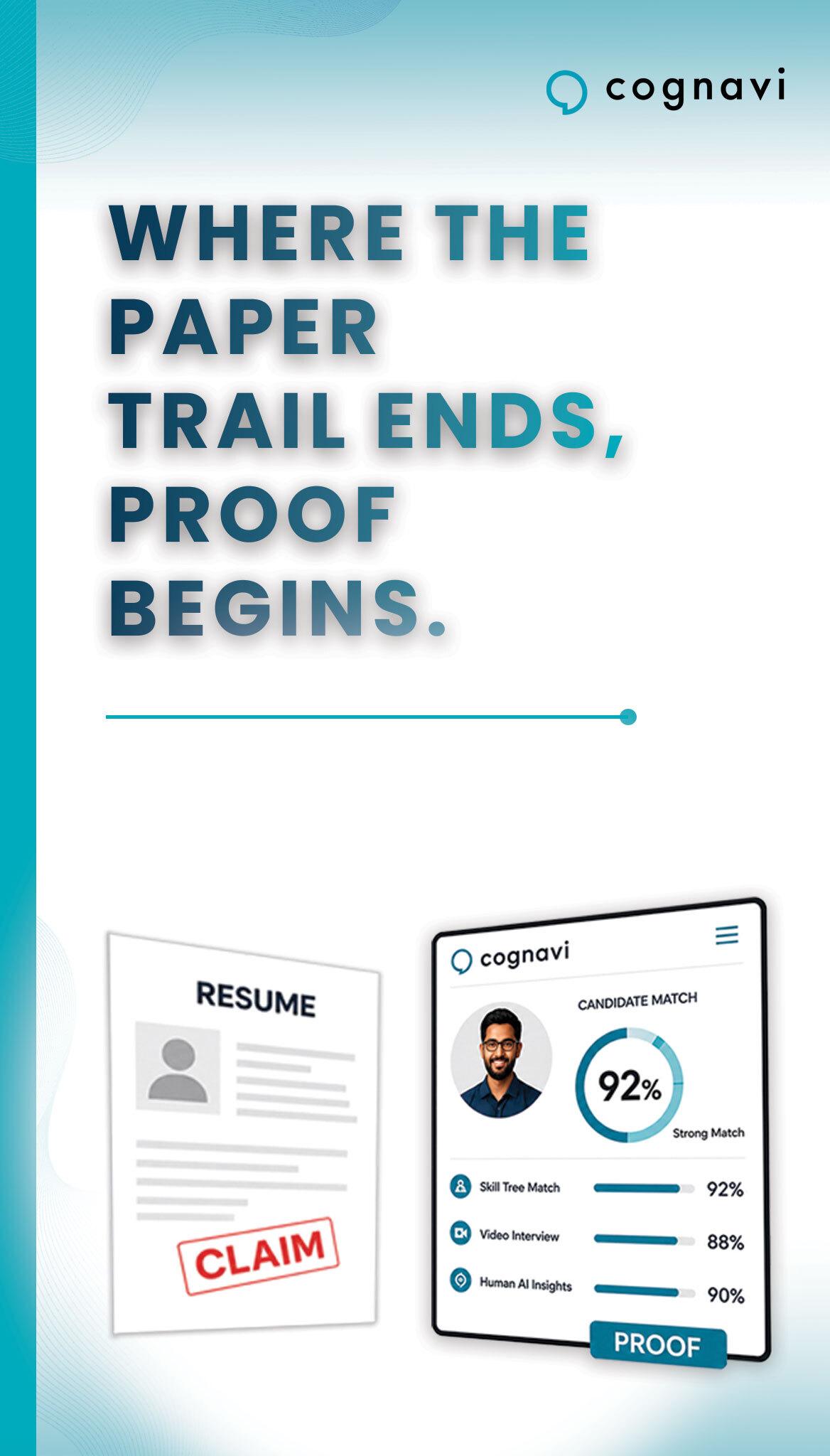
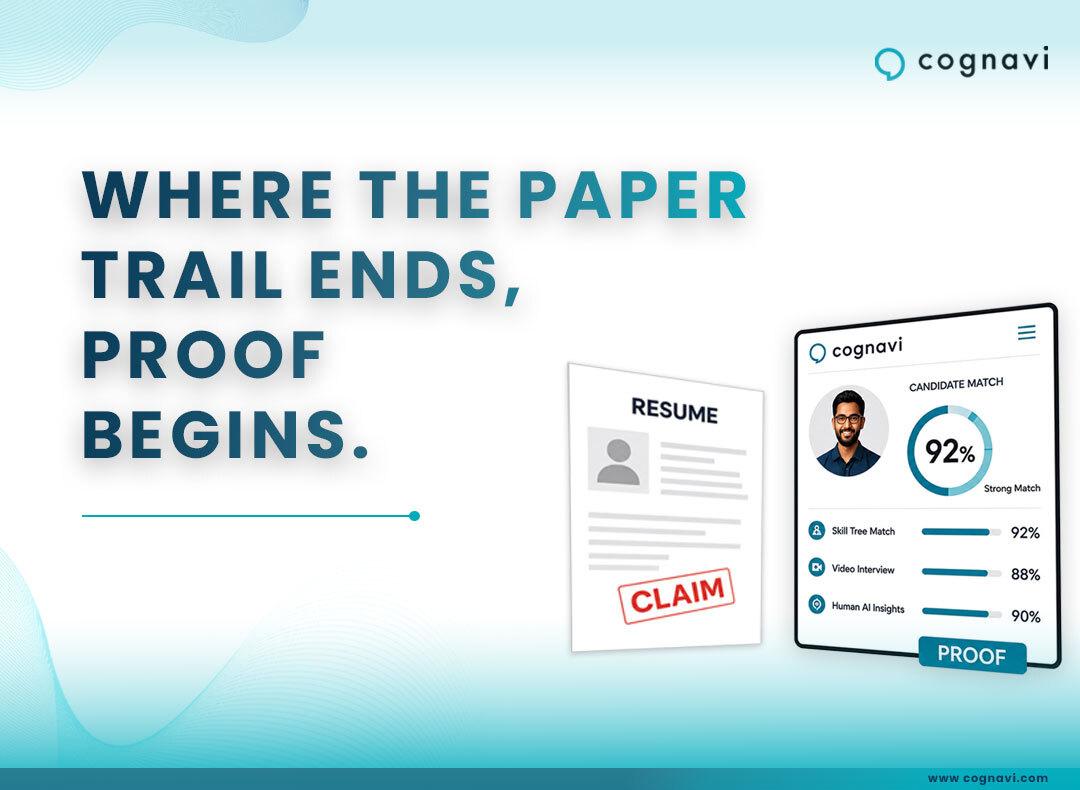
Where the Paper Trail Ends and Proof Begins
A resume is a claim, not evidence. It lists where candidates sat and what they say they did, forcing recruiters to infer true capability from a page of self-reported text. The most relied-upon proxy, a four-year degree, has a correlation with job performance that sits barely above zero. Skills-based evaluation inverts that model by measuring what candidates can demonstrate.

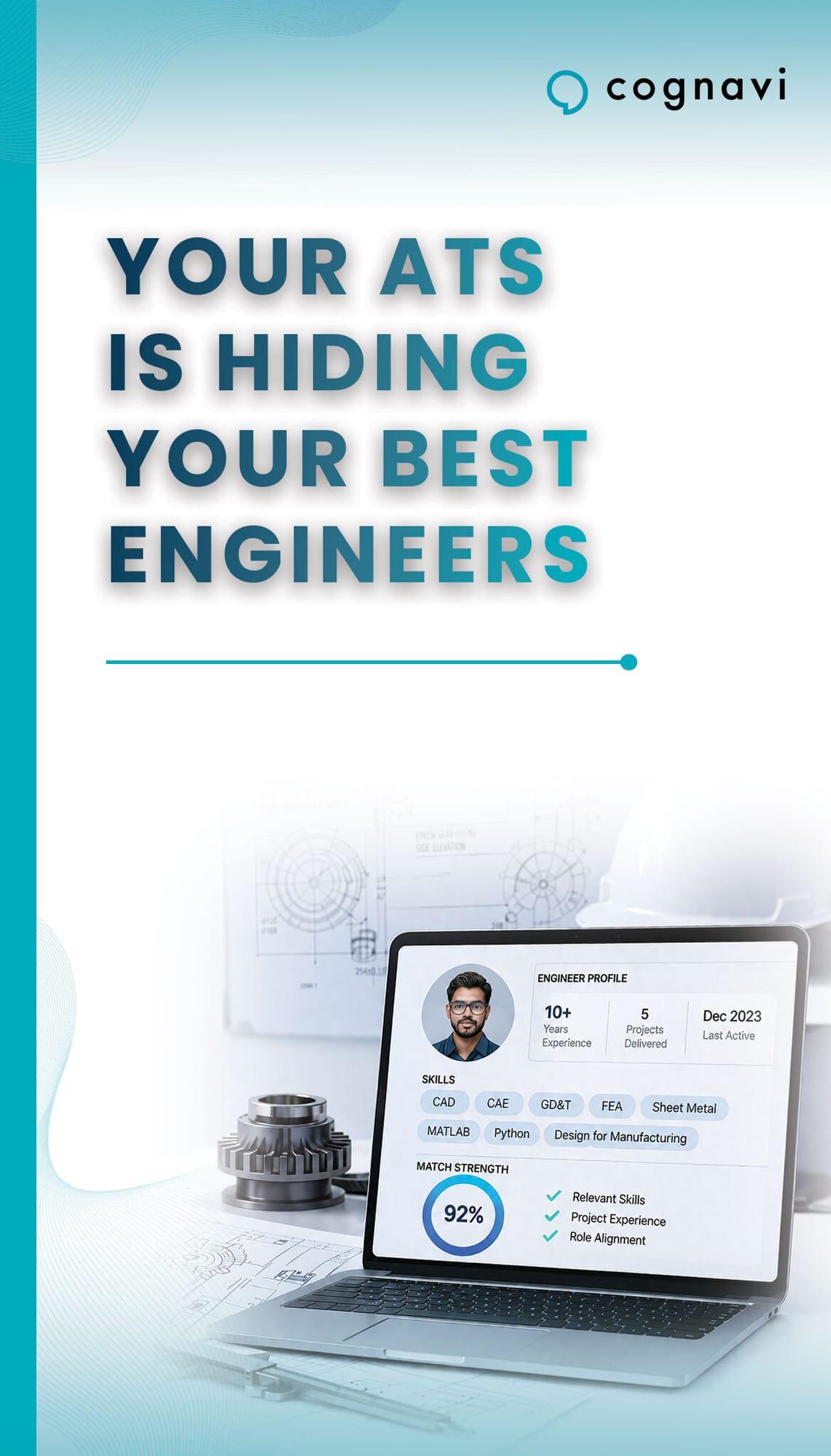
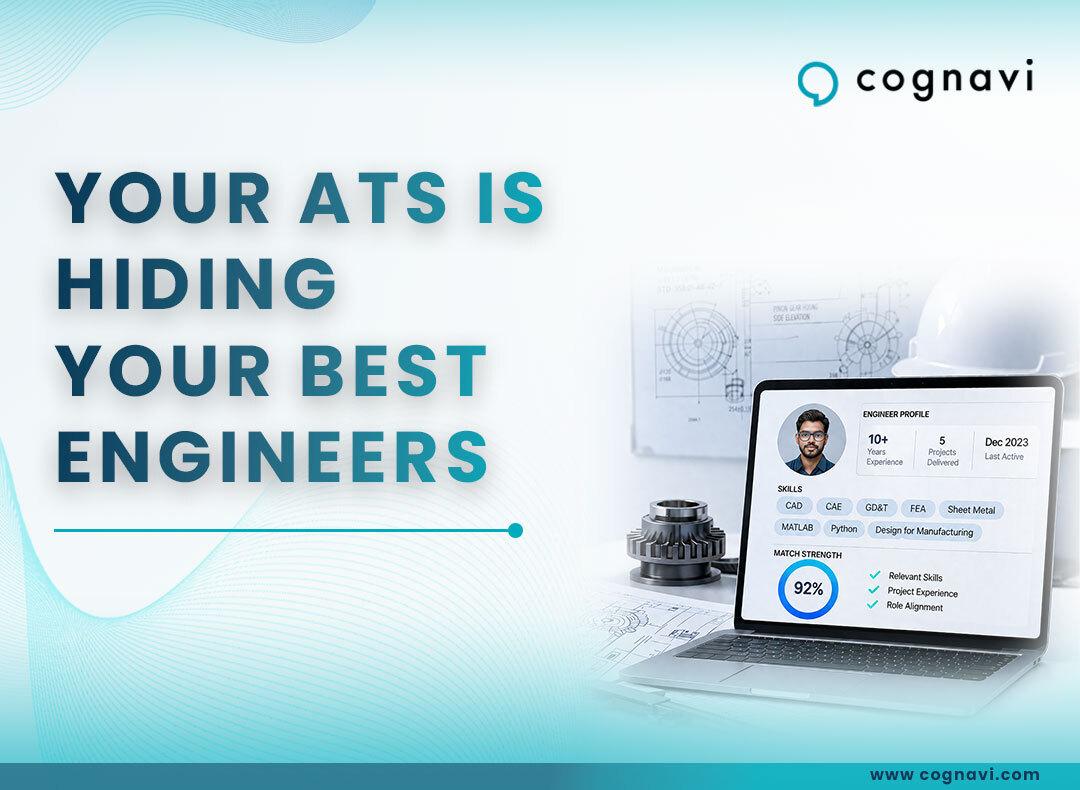
Your ATS Is Hiding Your Best Engineers
India graduates 1.5 million engineers a year, yet 82% of employers struggle to find the right talent. Ironically, only 1 in 6 engineering graduates gets hired, even though most test as job-ready. This is a matching failure, not a talent shortage, and conventional hiring tools are the cause.

The Future of Campus Hiring: What’s Next for Recruiters & Universities?
Imagine campus hiring as a thrilling movie series. Each sequel gets more intriguing, driven by unexpected plot twists, innovative characters, and advanced technologies. The current chapter of campus recruitment is exactly that—exciting, unpredictable, and full of possibilities. Recruiters and universities need to buckle up, adapt quickly, and embrace this journey to stay ahead.

How Smart Screening Can Save Recruiters Time and Effort
Recruitment, at its core, is about finding the right talent at the right time. But as any recruiter will tell you, the process of getting there is anything but straightforward. Particularly in the context of fresher hiring, where a single job posting can attract hundreds—if not thousands—of applications, the burden of screening becomes one of the most time-consuming and resource-draining aspects of the entire process.

The Role of Emotional Intelligence in Recruitment: Why EQ Matters for Freshers and Recruiters
Each year, India's universities produce millions of graduates ready to enter the workforce—armed with degrees, technical certifications, and an eagerness to prove themselves. For recruiters, the challenge isn’t a lack of talent. It’s that, more often than not, everyone looks equally qualified on paper.

Fresh Talent, Proven Potential: A Smarter Hiring Formula
In today’s dynamic job market, hiring fresh graduates can be a challenging task for recruiters. The traditional hiring process often falls short in evaluating a candidate’s true potential, leading to high attrition rates and mismatched expectations. The Internship-to-Full-Time (I2FT) model is emerging as a game-changer, allowing companies to assess candidates in a real-world environment before making a full-time offer.

Upskilling and Reskilling: How Freshers Can Stay Ahead in a Fast-Changing Job Market
The job market is evolving faster than ever. Technology, automation, and shifting industry needs mean that what was relevant yesterday might not be enough tomorrow. For fresh graduates, stepping into this landscape can feel overwhelming.The key to success lies in upskilling and reskilling. These are no longer just buzzwords but essential strategies to ensure long-term employability.

Why Is Attrition Higher Among Freshers? Unveiling the Real Reason Behind Early Exits
The fresh wave of talent entering the workforce brings enthusiasm, innovation, and a hunger to learn. However, this excitement often fades quickly, leading to a high attrition rate among freshers. Studies suggest that the attrition rate for freshers in various industries can range from 30% to 50% within the first year. But what’s causing them to leave so soon?

US Trade Policies, Tariff Wars & Their Impact on Global Economies, Freshers & Recruiters
US trade policies play a crucial role in shaping global markets, affecting businesses, economies, and job seekers alike. Recent tariff wars on commodities like steel, aluminum, and semiconductors have created ripples across industries, influencing recruitment trends and job prospects for freshers.

RBI’s Inflation Policy: Impact on the Corporate Sector and Job Creation
The Reserve Bank of India (RBI) controls inflation through monetary policy, primarily adjusting the repo rate—the rate at which it lends to banks. Inflation impacts purchasing power, business costs, and investments. When inflation rises, the RBI increases interest rates, making borrowing costlier. Conversely, lower rates stimulate spending and investment.

The New Education Policy & Mandatory Internships: A Game-Changer for Industry & Fresh Talent
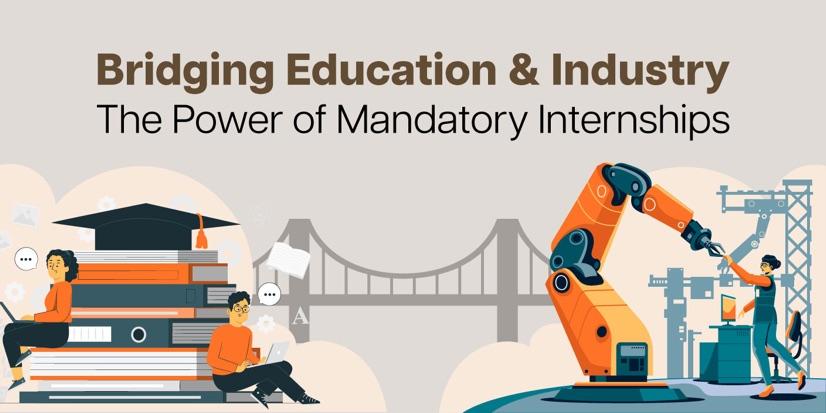
The New Education Policy (NEP) 2020 has introduced a transformative approach to higher education in India, emphasizing the integration of internships into undergraduate curricula. This strategic shift aims to bridge the gap between academic knowledge and practical industry skills, ensuring that students are well-prepared for the workforce upon graduation.

Benefits of Hiring Freshers: Insights from Japan and Navigating the Japanese Job Market
Hiring Freshers: A Strategic Advantage – Lessons from Japan for Indian Companies Recruiting fresh graduates isn’t just about filling entry-level roles. It’s a long-term business strategy that fosters innovation, adaptability, and a resilient workforce. Japan’s structured approach to fresher hiring provides valuable lessons for Indian companies aiming to build future-ready teams in an evolving job market.

Diversity & Inclusion in Hiring: Building a Stronger Workforce
Did you know that companies with diverse management teams generate 19% higher revenue from innovation? (Source: BCG Study). Diversity hiring and inclusive recruitment are no longer just corporate buzzwords—they are essential for building a future-ready workforce that thrives on innovation, collaboration, and employee engagement.

Your ATS Still Works. Its Screening Layer Doesn't.
Your ATS isn't broken, but the screening layer above it is. For thirty years those filters measured the effort behind a resume, not the ability behind the candidate. With LinkedIn past 14,000 applications per minute and 88% of executives admitting their systems auto-reject qualified people over an exact keyword match, the fix is a verification layer above the ATS, not a replacement for it.
Everyone Looks Qualified Now. That's the Problem.
A resume used to be hard to write, and that effort was its core value. AI removed the effort, the document survived, and the signal died. LinkedIn now processes ~11,000 applications per minute and Gartner projects 1 in 4 candidate profiles will be fake by 2028, so only evidence generated inside your hiring process still separates talent.

Japan Needs Engineers. India Has Them. The Corridor Is Opening.
Japan's population aged 65 or older reached 29% in 2023 and its Tankan employment diffusion index sits at minus 35, one of the lowest readings in three decades. India graduates more than a million engineers a year, more than its own market can absorb. One country has the roles and not the people; the other has the people and not enough roles.

Where the Paper Trail Ends and Proof Begins
A resume is a claim, not evidence. It lists where candidates sat and what they say they did, forcing recruiters to infer true capability from a page of self-reported text. The most relied-upon proxy, a four-year degree, has a correlation with job performance that sits barely above zero. Skills-based evaluation inverts that model by measuring what candidates can demonstrate.

Your ATS Is Hiding Your Best Engineers
India graduates 1.5 million engineers a year, yet 82% of employers struggle to find the right talent. Ironically, only 1 in 6 engineering graduates gets hired, even though most test as job-ready. This is a matching failure, not a talent shortage, and conventional hiring tools are the cause.

The Future of Campus Hiring: What’s Next for Recruiters & Universities?
Imagine campus hiring as a thrilling movie series. Each sequel gets more intriguing, driven by unexpected plot twists, innovative characters, and advanced technologies. The current chapter of campus recruitment is exactly that—exciting, unpredictable, and full of possibilities. Recruiters and universities need to buckle up, adapt quickly, and embrace this journey to stay ahead.

How Smart Screening Can Save Recruiters Time and Effort
Recruitment, at its core, is about finding the right talent at the right time. But as any recruiter will tell you, the process of getting there is anything but straightforward. Particularly in the context of fresher hiring, where a single job posting can attract hundreds—if not thousands—of applications, the burden of screening becomes one of the most time-consuming and resource-draining aspects of the entire process.

The Role of Emotional Intelligence in Recruitment: Why EQ Matters for Freshers and Recruiters
Each year, India's universities produce millions of graduates ready to enter the workforce—armed with degrees, technical certifications, and an eagerness to prove themselves. For recruiters, the challenge isn’t a lack of talent. It’s that, more often than not, everyone looks equally qualified on paper.

Fresh Talent, Proven Potential: A Smarter Hiring Formula
In today’s dynamic job market, hiring fresh graduates can be a challenging task for recruiters. The traditional hiring process often falls short in evaluating a candidate’s true potential, leading to high attrition rates and mismatched expectations. The Internship-to-Full-Time (I2FT) model is emerging as a game-changer, allowing companies to assess candidates in a real-world environment before making a full-time offer.

Upskilling and Reskilling: How Freshers Can Stay Ahead in a Fast-Changing Job Market
The job market is evolving faster than ever. Technology, automation, and shifting industry needs mean that what was relevant yesterday might not be enough tomorrow. For fresh graduates, stepping into this landscape can feel overwhelming.The key to success lies in upskilling and reskilling. These are no longer just buzzwords but essential strategies to ensure long-term employability.

Why Is Attrition Higher Among Freshers? Unveiling the Real Reason Behind Early Exits
The fresh wave of talent entering the workforce brings enthusiasm, innovation, and a hunger to learn. However, this excitement often fades quickly, leading to a high attrition rate among freshers. Studies suggest that the attrition rate for freshers in various industries can range from 30% to 50% within the first year. But what’s causing them to leave so soon?

US Trade Policies, Tariff Wars & Their Impact on Global Economies, Freshers & Recruiters
US trade policies play a crucial role in shaping global markets, affecting businesses, economies, and job seekers alike. Recent tariff wars on commodities like steel, aluminum, and semiconductors have created ripples across industries, influencing recruitment trends and job prospects for freshers.

RBI’s Inflation Policy: Impact on the Corporate Sector and Job Creation
The Reserve Bank of India (RBI) controls inflation through monetary policy, primarily adjusting the repo rate—the rate at which it lends to banks. Inflation impacts purchasing power, business costs, and investments. When inflation rises, the RBI increases interest rates, making borrowing costlier. Conversely, lower rates stimulate spending and investment.

The New Education Policy & Mandatory Internships: A Game-Changer for Industry & Fresh Talent
The New Education Policy (NEP) 2020 has introduced a transformative approach to higher education in India, emphasizing the integration of internships into undergraduate curricula. This strategic shift aims to bridge the gap between academic knowledge and practical industry skills, ensuring that students are well-prepared for the workforce upon graduation.

Benefits of Hiring Freshers: Insights from Japan and Navigating the Japanese Job Market
Hiring Freshers: A Strategic Advantage – Lessons from Japan for Indian Companies Recruiting fresh graduates isn’t just about filling entry-level roles. It’s a long-term business strategy that fosters innovation, adaptability, and a resilient workforce. Japan’s structured approach to fresher hiring provides valuable lessons for Indian companies aiming to build future-ready teams in an evolving job market.

Diversity & Inclusion in Hiring: Building a Stronger Workforce
Did you know that companies with diverse management teams generate 19% higher revenue from innovation? (Source: BCG Study). Diversity hiring and inclusive recruitment are no longer just corporate buzzwords—they are essential for building a future-ready workforce that thrives on innovation, collaboration, and employee engagement.
Insights, ideas, and innovations – explore our latest blog posts
Stay ahead with expert opinions, industry trends, and valuable insights.September 2, 2026
Your ATS Still Works. Its Screening Layer Doesn't.
ByCognavi India.5 Min

August 31, 2026
Everyone Looks Qualified Now. That's the Problem.
ByCognavi India.5 Min
August 20, 2026
Japan Needs Engineers. India Has Them. The Corridor Is Opening.
ByCognavi India.5 Min
August 7, 2026
Where the Paper Trail Ends and Proof Begins
ByCognavi India.5 Min
July 29, 2026
Your ATS Is Hiding Your Best Engineers
ByCognavi India.5 Min

April 7th, 2025
The Future of Campus Hiring: What’s Next for Recruiters & Universities?
ByCognavi India.5 Min
April 2nd, 2025
How Smart Screening Can Save Recruiters Time and Effort
ByCognavi India.5 Min
March 27, 2025
The Role of Emotional Intelligence in Recruitment: Why EQ Matters for Freshers and Recruiters
ByCognavi India.5 Min
March 19, 2025
Fresh Talent, Proven Potential: A Smarter Hiring Formula
ByCognavi India.5 Min

March 17, 2025
Upskilling and Reskilling: How Freshers Can Stay Ahead in a Fast-Changing Job Market
ByCognavi India.5 Min

March 12, 2025
Why Is Attrition Higher Among Freshers? Unveiling the Real Reason Behind Early Exits
ByCognavi India.5 Min

February 27, 2025
US Trade Policies, Tariff Wars & Their Impact on Global Economies, Freshers & Recruiters
ByCognavi India.5 Min
February 20, 2025
RBI’s Inflation Policy: Impact on the Corporate Sector and Job Creation
ByCognavi India.5 Min
February 12, 2025
The New Education Policy & Mandatory Internships: A Game-Changer for Industry & Fresh Talent
ByCognavi India.5 Min
January 12, 2025
Benefits of Hiring Freshers: Insights from Japan and Navigating the Japanese Job Market
ByCognavi India.5 Min

January 15, 2025
Diversity & Inclusion in Hiring: Building a Stronger Workforce
ByCognavi India.5 Min